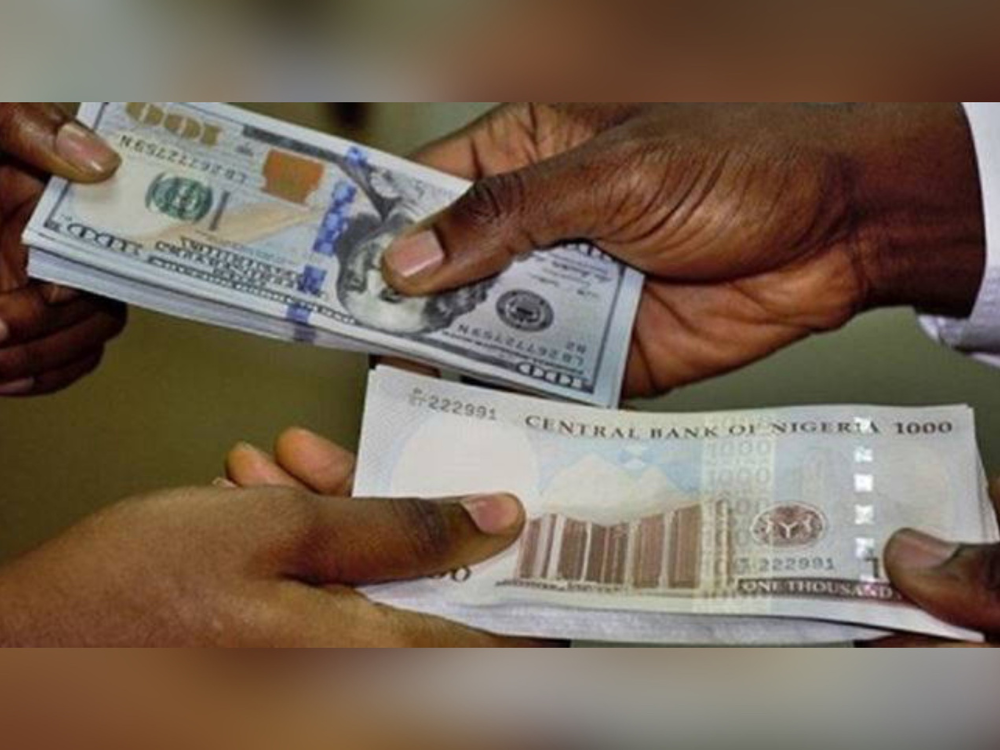
STATE GOVERNMENTS’ UNPAID BILLS DEEPEN PRESSURE ON NIGERIAN BUSINESSES
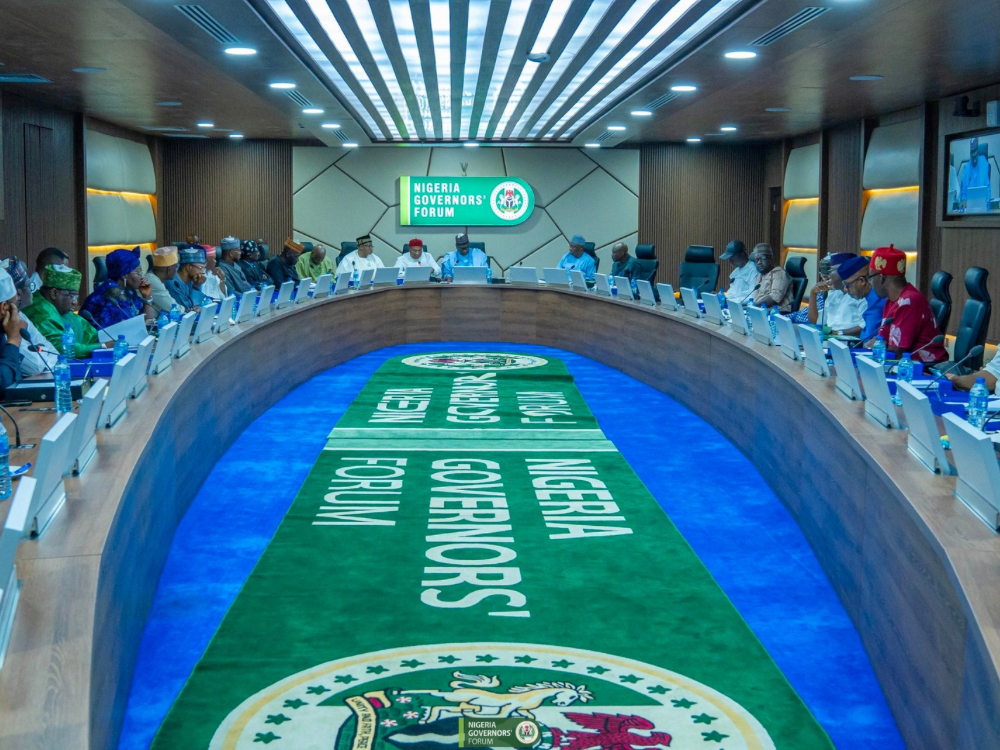
State governments unpaid bills are carrying substantial unpaid obligations to contractors, exposing businesses to liquidity pressures and prompting questions about whether increased public revenues are translating into real economic benefits.
The scale of state governments unpaid bills has become a growing concern for the private sector, as many contractors who delivered roads, schools, hospitals and other public projects are waiting months and sometimes years to be paid.
This trend persists even though state governments have earned more revenue in the last two years from higher federation account allocations following fuel subsidy removal and naira devaluation. The gap between higher revenues and continued non payment raises questions about fiscal management at subnational level.
According to recent assessments of state finances, including BudgIT’s State of States reports, many states are carrying large stocks of contractor arrears, pension arrears and other outstanding liabilities that are not always captured in official debt figures.
These unpaid bills act as a hidden form of borrowing. When a contractor completes a job and is not paid, he is forced to borrow from banks to pay workers and suppliers. The interest cost and cash flow strain are then transferred to the private sector.
How State Governments Unpaid Bills Hurt Businesses
State governments unpaid bills are hurting Nigerian businesses in several direct ways.
First, they create liquidity pressure. Small and medium construction firms, which make up the bulk of state contractors, depend on prompt payment to stay afloat. When payment is delayed, they cannot pay staff, cannot buy materials for the next job and cannot service bank loans. Some have had to lay off workers or shut down operations.
Second, unpaid bills increase the cost of doing business with government. Contractors who have experienced delayed payment in the past now build a risk premium into their quotations for new government jobs. That means states end up paying more for the same project.
Third, state governments unpaid bills weaken the banking sector. Many contractor loans that have gone bad are linked to government contracts that were not paid. Banks are then reluctant to lend to other contractors, which further tightens credit for the real economy.
Business owners in several states said the problem has worsened in 2025 and 2026. One contractor in the South South who asked not to be named said he completed a school renovation project for a state government in late 2024 and is still owed over N80 million.
He said he borrowed money to execute the project and is now paying interest from his own savings while waiting for payment. His company has not been able to bid for new jobs because his working capital is tied down.
Similar stories are heard in the South East, North Central and North West. Contractors complain that they are told there is no money, even when states are receiving record allocations from the federation account.
In the first half of 2026 alone, the three tiers of government shared over N10 trillion from FAAC, with states taking a large portion. Yet many businesses say they have not felt the impact.
The issue also extends beyond contractors. Suppliers of office equipment, cleaning services, catering, security and other services to state government offices and agencies are also affected. Pensioners and other beneficiaries of state payments have also faced delays in some states.
Why State Governments Unpaid Bills Persist Despite Higher Revenues
Analysts point to several reasons why state governments unpaid bills persist despite higher revenues.
One reason is weak cash flow planning. Many states do not have credible medium term expenditure frameworks. They award contracts without ensuring that cash will be available to pay when the work is completed. Projects are started for political reasons, especially ahead of elections, without full funding.
Another reason is competing priorities. Higher FAAC revenue has led to higher recurrent spending in many states, including salaries, allowances and political appointments. Capital releases and payment of old arrears often get pushed back.
A third reason is lack of transparency in reporting arrears. Official public debt figures published by the Debt Management Office cover domestic debt and foreign debt, but contractor arrears and pension arrears are often reported separately or not reported at all. This makes it difficult to know the true size of state governments unpaid bills.
BudgIT and other civil society groups have called for more transparent reporting of all liabilities, including contractor arrears, gratuities and outstanding payments to suppliers. They argue that without this, citizens cannot hold state governments accountable.
Some states have made efforts to clear arrears. A few have issued bonds or taken commercial bank loans specifically to pay contractors. Others have introduced e payment systems and project monitoring platforms to track obligations.
But progress is uneven. In some states, arrears have continued to grow even as revenues increased.
The federal government has also tried to intervene in the past through bailout funds and budget support facilities to help states pay salaries and contractor obligations. However, without strong fiscal discipline, the cycle of arrears tends to return.
Economists warn that state governments unpaid bills have a multiplier effect on the economy. When contractors are not paid, they do not pay their own suppliers and workers. Those workers then have less money to spend in local markets. The entire local economy slows down.
This is particularly damaging because state governments are major employers and spenders in many local economies, especially outside Lagos, Abuja and Port Harcourt.
What Needs To Change To Clear State Governments Unpaid Bills
To address state governments unpaid bills, experts recommend a number of practical steps.
First, states should adopt credible payment plans for verified arrears. Each state should publish a list of outstanding obligations, verify them through an independent audit and set a timeline for payment. This would restore confidence among contractors and allow businesses to plan.
Second, states should strengthen project selection and cash backing. No contract should be awarded unless there is cash backing or a clear funding plan in the budget. The practice of awarding projects without money should stop.
Third, states should improve internal revenue generation to reduce dependence on FAAC, which can be volatile. States with higher IGR are better able to manage payment cycles and avoid arrears.
Fourth, there should be stronger sanctions for persistent non payment. Contractors should have access to a dispute resolution mechanism that allows them to seek redress without going through lengthy court processes.
Finally, citizens and state houses of assembly should demand better fiscal transparency. State budgets, quarterly budget performance reports and audit reports should include clear information on arrears and payment status.
For Nigerian businesses, the hope is that increased public revenues will finally translate into prompt payment and better working capital. Until state governments unpaid bills are cleared, many businesses will continue to face liquidity pressures and struggle to grow.
The conversation around state finances must therefore move beyond debt stocks and FAAC sharing to include how states manage their relationships with the private sector that delivers public services.
Source: Businessday NG