
NAIRA NEARS 1400/$ AS RESERVES SHED $610M IN LESS THAN A MONTH
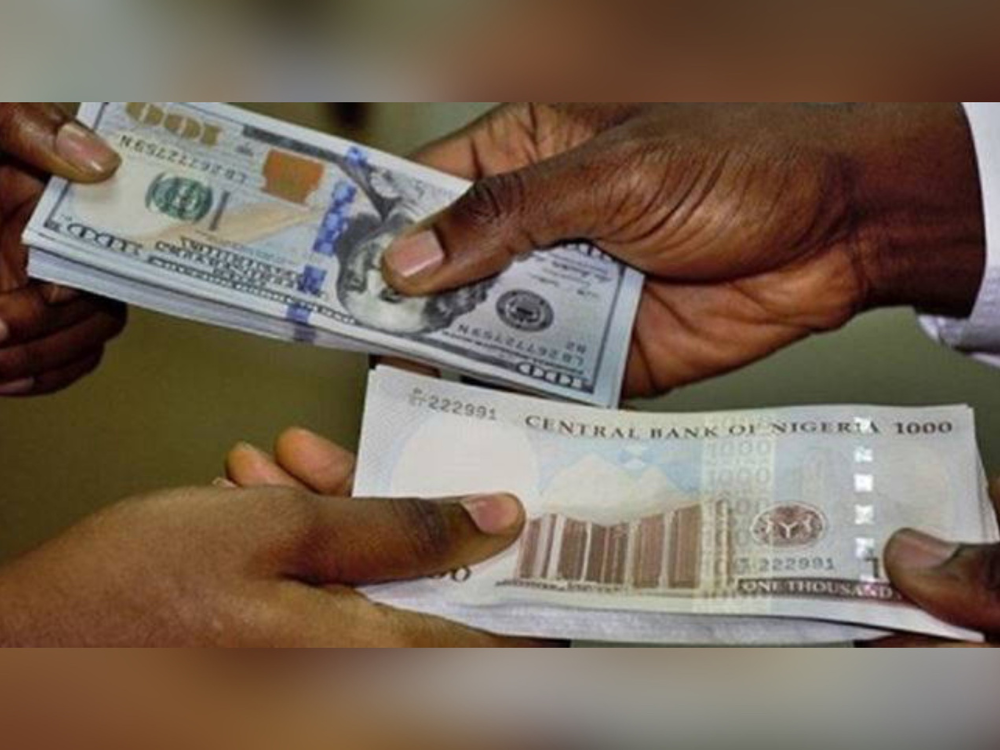
The naira weakened further in the official foreign exchange (FX) market on Friday, approaching the N1,400 per dollar threshold as declining external reserves and sustained demand for foreign currency intensified pressure on the local currency.
The currency depreciated by N13.15 in a single trading session, with the dollar quoted at N1,389.73 on Friday, representing a 0.95 percent loss compared with N1,376.58 recorded on Thursday at the Nigerian Foreign Exchange Market, NFEM, according to data published by the Central Bank of Nigeria, CBN.
The latest depreciation brings the naira closer to the N1,400 mark, reflecting persistent pressure in the official market amid seasonal demand for dollars, election-related uncertainties and moderating foreign exchange inflows.
Official Rate Weakens To N1389 While Parallel Market Gains
In the parallel market, however, the local currency appreciated by N5 to close at N1,455 per dollar on Friday, compared with N1,460 quoted on Thursday.
Consequently, the gap between the official and parallel market rates narrowed to N66, representing 4.75 percent, from N97 or 7.12 percent previously.
Traders in Lagos and Abuja said demand in parallel market eased slightly on Friday because many Bureau De Change operators were waiting for CBN intervention sales. In the official market, demand was higher from manufacturers buying dollars for raw materials, airlines remitting tickets, and banks covering foreign portfolio investors exiting.
Market activity showed mixed movements, with total turnover in the interbank FX market increasing by 1.91 percent to $815.57 million on Friday from $800.31 million recorded on Thursday. However, the number of deals declined by 2.72 percent to 179 from 184 transactions.
Although NFEM figures for turnover and deals were unavailable at the time of reporting, total turnover across the FX market rose by 50 percent to $1.77 billion on Thursday from $1.18 billion on Wednesday. The number of transactions also increased by 12 percent to 392 from 350 deals.
Analysts say higher turnover with fewer deals means larger ticket transactions, mostly by CBN and a few big banks, rather than broad supply.
External Reserves Drop $610m From October Peak
Meanwhile, Nigeria’s external reserves, which provide the CBN with the capacity to intervene in the FX market and meet the country’s external obligations, have continued to decline.
The reserves fell by approximately $610 million in less than a month to $54.65 billion as of November 19, 2026, from a peak of $55.26 billion recorded on October 27, 2026.
This represents a drop of 1.1 percent in 23 days. The decline breaks a steady build up that started in January 2026 when reserves were at $44.12 billion. Reserves rose by over $11 billion between January and October on the back of higher oil prices, improved oil production at 1.6 million barrels per day, Eurobond inflows and CBN FX reforms.
Despite the recent decline, reserves remained 23.87 percent higher than the $44.12 billion recorded in the corresponding period of 2025, according to CBN data.
CBN data shows reserves still enough to cover about 10 months of imports, above the 3 months international benchmark, but the speed of decline is raising concerns ahead of December when import demand usually peaks.
Why Naira Is Under Pressure Again
Analysts at Quest Merchant Bank attributed the renewed pressure on the naira to constrained foreign exchange supply, election-related uncertainties and increased demand for dollars ahead of the festive season.
According to the analysts, the naira depreciated by 1.2 percent month-on-month to N1,346 per dollar in October, while its depreciation accelerated to approximately three percent month-to-date to N1,388 per dollar, reflecting persistent pressure in the domestic FX market.
They said uncertainty surrounding the forthcoming elections had weighed on investor confidence, prompting foreign portfolio investors to adopt a wait-and-see approach and moderate their participation in the market.
Quest analysts explained that the resulting slowdown in foreign portfolio investment inflows had constrained a key source of foreign exchange supply, while election-related uncertainties had also encouraged some foreign investors to repatriate capital.
In 2026, foreign portfolio inflows into equities and bonds have been about $5.2 billion year to date, lower than $6.8 billion in same period 2025. Investors are concerned about campaign spending, possible policy change after 2027 election and naira volatility.
On the demand side, seasonal festive-related transactions have added to pressure on available foreign exchange supply, further tightening market liquidity.
Every year from November to December, demand for dollars rises by 20 to 30 percent as importers stock goods for Christmas, parents pay foreign school fees for January session, and Nigerians travel abroad. Airlines also convert naira ticket sales to dollars to repatriate.
Banks said demand from non-essential imports like cars, electronics and luxury goods has increased despite CBN restrictions.
CBN Raises Dollar Sales To Calm Market
In response, the CBN has increased the frequency and scale of dollar sales to authorised dealers to improve liquidity and moderate excessive exchange rate volatility.
Data from FMDQ showed that the CBN’s foreign exchange sales rose sharply to $2.5 billion in October 2026 from $479 million in September, underscoring the increased scale of its interventions.
That is more than five times increase month on month. In September, CBN sold sparingly because reserves were building and market was stable. In October, it returned as a net seller to defend N1300 to N1400 band.
The analysts noted that intervention volumes had remained elevated in recent weeks, reflecting persistent demand for foreign currency that continues to outweigh available market supply.
Last week alone, CBN sold about $620 million to banks, according to market sources. The sales were at rates between N1375 and N1390, close to official close.
They also observed that renewed volatility in the official market had spilled into the parallel market, contributing to a widening premium between both segments.
The parallel market premium widened to N82 per dollar month-to-date from N42 at the end of October, according to the analysts. Though premium narrowed on Friday to N66, the month-to-date average is still wider.
Before CBN reforms in 2023, premium was over 60 percent. Now it is under 5 percent, showing more alignment, but any widening above N100 could trigger speculation.
What To Expect Next
Looking ahead, Quest Merchant Bank expects demand-side pressures to persist in the near term, particularly from foreign portfolio investors and seasonal demand for foreign exchange.
The bank expects December demand to remain high until around December 20 when many businesses close. Also, political campaign spending by major parties could increase naira liquidity and push more people to buy dollars as hedge.
The analysts, however, expect the CBN to maintain an active presence in the market through targeted interventions, while improved domestic FX liquidity could provide additional support to supply conditions.
CBN is expected to continue sales to banks, especially to meet demand from manufacturers and fuel importers. The Dangote Refinery now supplies most petrol locally, reducing fuel FX demand by about $1.2 billion monthly compared to 2023, which should help reserves.
Nevertheless, they warned that constrained foreign investor participation and persistent demand pressures could sustain periodic volatility in the foreign exchange market.
If reserves continue to fall at $610 million per month, they could drop below $52 billion by February 2027, still strong but lower. The key is whether oil prices stay above $78 per barrel and oil production stays above 1.5 million bpd.
For businesses and households, the implication is higher import costs, possible increase in airfares and school fees, and pressure on inflation which is currently at 18.5 percent after slowing from 34 percent in 2024.
The naira closed 2025 at N1,535 per dollar official. It appreciated to N1,320 in September 2026 before weakening again to N1,389. Traders now watch if CBN can hold N1,400 line before festive peak.
SOURCE: BusinessDay NG