SHELL SELLS RENEWABLE ASSET FOUR YEARS AFTER ACQUISITION
Shell sells renewable asset four years after acquisition and oil major Shell Plc has agreed to sell Daystar Power to Elektron Energy in latest portfolio high-grading move to focus on asset-backed trading.
Shell Plc has agreed to sell Daystar Power, the West African solar and hybrid energy provider it bought four years ago, to Elektron Energy, the latest step in the oil major’s push to prune its power holdings and concentrate on businesses where it believes it has an edge.
The sale is subject to regulatory conditions and approvals. Until it is completed, Daystar’s day-to-day operations will not change, according to the companies.
Shell described the divestment as part of its ongoing effort to “high-grade” its portfolio, a phrase that has become shorthand in the industry for trimming assets that no longer fit and keeping those that do.
The company said it will focus on parts of the power value chain where it has differentiated capabilities, including asset-backed power trading and associated energy solutions.
However, the announcement did not include financial terms.
Shell sells renewable asset four years after acquisition raising questions about Big Oil’s retreat from distributed renewables in emerging markets.
Daystar’s 150MW Footprint Across West Africa
Shell sells renewable asset four years after acquisition as Daystar operates 150 megawatts solar and hybrid capacity in five countries.
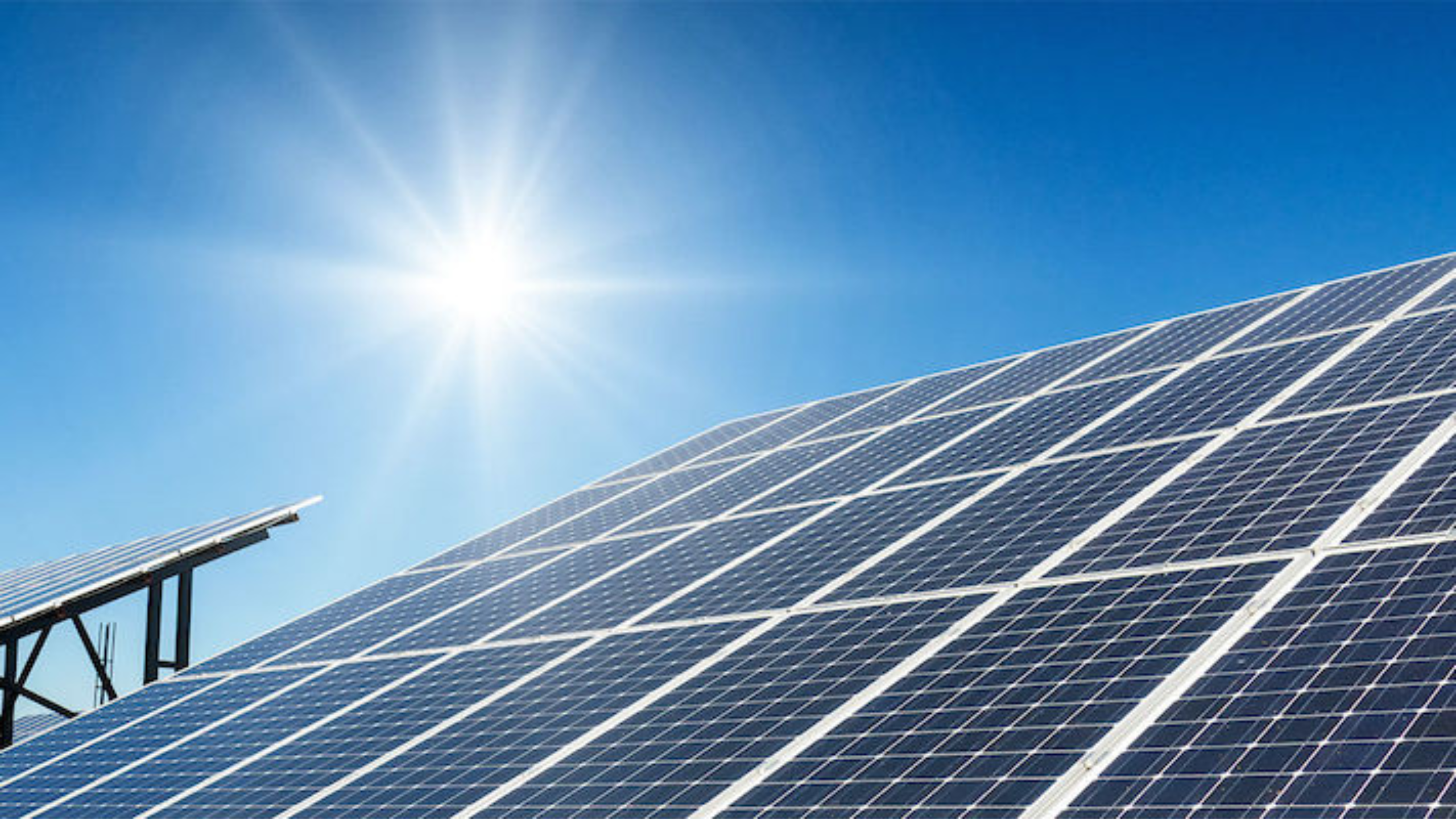
Daystar runs roughly 150 megawatts of solar and hybrid capacity across five West African markets, including Nigeria, Ghana, Côte d’Ivoire, Senegal and Togo.
Its customers are commercial and industrial businesses, a segment that has grown in a region where grid power is often unreliable, and diesel generation is expensive.
Solar systems paired with batteries or backup generators let factories, offices and other large users keep running when the grid falters, usually under long-term contracts in which the provider owns and operates the equipment.
That model made Daystar an attractive fit when Shell was building out its low-carbon portfolio. The calculus has shifted. Shell, like several of its European peers, has spent recent years weighing how much capital to commit to renewable generation against the returns offered by oil, gas and trading.
Small, distributed solar platforms in emerging markets can be operationally intensive and capital-hungry relative to their size, and they sit some distance from the trading and large-scale energy businesses that Shell has said it wants to emphasise.
Shell acquired Daystar in 2022 through Shell’s acquisition of Daystar Power Group, at a time when European oil majors were under investor pressure to show low-carbon growth. The deal was part of Shell’s strategy to expand in off-grid solar and commercial and industrial (C&I) solutions.
Since 2023, Shell under CEO Wael Sawan has refocused strategy, cutting spending on low-carbon retail power and hydrogen, while prioritizing higher-return oil and gas, LNG trading and power trading where it has competitive advantage.
Elektron Energy Sees Growth Opportunity
Shell sells renewable asset four years after acquisition with Elektron positioning deal as accelerator for cleaner energy platform.
For Elektron, the purchase brings an established regional footprint and a customer base it did not have. The company said Daystar’s capabilities complement its existing energy infrastructure and renewable-energy platform, combining its experience in developing complex energy infrastructure with Daystar’s regional presence and renewable expertise.
“In our recent history, Elektron has been committed to developing commercially viable energy infrastructure designed around the needs of mission-critical businesses,” said Deen Solebo, Elektron’s co-chief executive officer and chief financial officer.
He added, “Daystar’s strong and complementary solar and hybrid capabilities accelerate our strategy to build a diversified cleaner energy platform, strengthening our ability to deliver reliable and scalable energy solutions across West Africa.”
Yischai Beinisch, chief executive of Daystar Power, said the company has built a strong platform providing solar and hybrid energy solutions to commercial and industrial customers across West Africa.
“We believe Elektron is well positioned to support the company’s next phase of development,” Beinisch said.
Elektron Energy is a Nigeria-focused energy infrastructure platform backed by Denham Capital, with assets spanning power generation, distribution and renewable solutions. The acquisition gives it immediate scale in C&I solar, a segment growing at over 20 percent annually in Nigeria as businesses seek to cut diesel costs.
Diesel prices in Nigeria have risen to over N1,200 per litre in 2026, making solar hybrid systems with payback periods of 2-3 years increasingly attractive for manufacturers, banks, schools and retail chains.
Broader Trend Of Energy Majors Pruning Renewables
Shell sells renewable asset four years after acquisition reflecting wider European oil major reassessment of renewable bets.
According to BusinessDay’s findings, large energy companies that moved aggressively into renewables and power distribution in recent years have since been reassessing which of those bets deserve continued funding.
Some have sold or scaled back holdings, while others have shifted toward partnerships that keep a stake without carrying the full capital burden. Buyers, often regional or specialist developers, see value in assets that fit more naturally with their own operations and local knowledge.
BP, Equinor and Shell have all reduced investments in distributed renewables and refocused on areas with trading synergies. Shell recently exited or scaled back positions in onshore wind and European retail power, while retaining offshore wind and power trading.
For West Africa, the transfer is a test of whether a locally focused infrastructure group can scale a business that a global major decided to let go.
Demand for reliable power across the region remains strong, with industrial users looking for alternatives to diesel and unstable grids. At about 150 megawatts across five countries, Daystar is a modest platform by global standards, but its customer contracts and operating record in difficult markets are what Elektron appears to be paying for.
Shell said the sale does not change its commitment to power as a business. It will keep concentrating on asset-backed power trading and related energy solutions, areas the company says play to its strengths. Elektron, for its part, is positioning the acquisition as an accelerant for a broader cleaner-energy strategy built around reliability and scale.
Shell sells renewable asset four years after acquisition but remains active in Nigeria’s oil, gas and LNG sectors through SPDC and Bonga.
The deal is expected to close in early 2027 subject to approvals from regulators in Nigeria and other West African markets.
SOURCE: BusinessDay NG