CBN Cuts Interest Rate to 23 Percent From 26.5 Percent After MPC Meeting
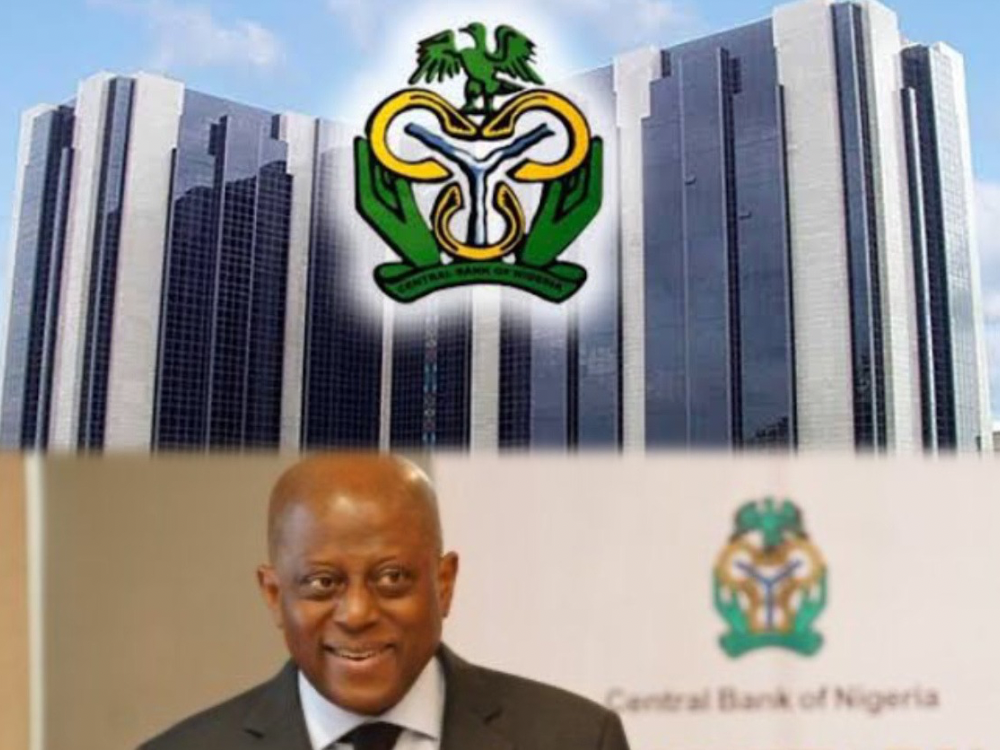
CBN cuts interest rate to 23 percent. That was the headline that hit banks, traders and borrowers on Tuesday 22 September 2026. The Monetary Policy Committee of the Central Bank of Nigeria cut the Monetary Policy Rate from 26.5 percent to 23 percent after its 307th meeting in Abuja. That is a cut of 350 basis points. Reports describe it as the largest single cut in this cycle and the biggest since 2006.
Governor Olayemi Cardoso announced the decision himself at the end of the meeting. His words were:
“The Committee decided as follows: reset the monetary policy rate at 23 per cent.”
He was careful about how people should read it. He does not want the market to think the CBN is now opening money supply without control. His words were:
“We will stay on the course, which has been a restrictive one, for as long as we have to. And that’s why I re-emphasise that you should not see this as an easing. This is a reset and a recalibration. That is all it is.”
That word reset is important. It means the CBN is adjusting its rate to match reality in the market, not starting a full easing cycle.
The committee also changed the standing facilities corridor to plus 50 and minus 300 basis points around the MPR. Cash Reserve Requirement remains at 45 percent for deposit money banks, 16 percent for merchant banks and 75 percent for non TSA public sector deposits.
So why cut now. Headline inflation eased to 15.39 percent in August 2026 from 15.43 percent in July, according to the National Bureau of Statistics. That is a small drop, but it is the third month in a row that inflation has cooled. Cardoso also said foreign reserves have been rebuilt. Other reports put reserves around 55 billion dollars.
The MPC had held the rate at 26.5 percent in May and July after a small 50 basis point cut in February. This means Tuesday’s decision is the second cut this year and by far the larger one.
For ordinary Nigerians the question is simple. Will loans become cheaper. In theory yes. When the CBN cuts MPR, it should pull down lending rates. Banks should charge less for loans to businesses, traders and households.
In practice it is not that straight. Nigerian banks still keep 45 percent of their deposits locked at the CBN as CRR. That is a large amount of money they cannot lend. So even when policy rate comes down, banks may still keep lending rates high to protect their margins. Mortgages, SME loans and school fees loans may not drop immediately.
Still, the signal matters. This is the first time in a long time that the CBN is saying the worst of the tight policy may be passing. Interbank rates had already fallen below the old 26.5 percent benchmark. Cardoso said that gap was weakening the power of the policy rate. That is why the committee decided to realign it to 23 percent.
What will markets watch next. Two things. First, whether inflation continues to fall in September and October. If food and energy prices rise again, the CBN may be forced to pause. Second, whether the naira remains stable after cheaper money enters the system. A rate cut can put pressure on the exchange rate if people move naira to dollars.
There is also the 2027 factor. Election year usually brings more government spending. That adds liquidity to the system. The CBN has said it is watching that risk even as it cuts. Punch reported that the bank is already thinking about how to manage liquidity in 2027.
For traders and manufacturers, Tuesday is a relief. Borrowing costs have been painful for two years. Any cut helps. For state governments that borrow from banks and from the bond market, lower rates mean cheaper debt service. For savers, the news is not so good. Lower MPR usually means lower interest on fixed deposits and treasury bills.
The politics will come later. Opposition parties have spent months attacking the cost of living crisis. A rate cut does not reduce the price of rice in the market today. It changes the cost of money in the next few months. The effect will be slow.
CBN cuts interest rate to 23 percent is therefore a shift, not a celebration. It tells us the central bank thinks inflation has peaked and reserves are strong enough to allow a reset. It does not mean cheap money is back for everyone.
If inflation keeps easing and the naira holds, more cuts may follow. If inflation jumps again, the CBN has said it will stay restrictive for as long as needed.
Ratel Pulse Media — Your Pulse on the News