KWANKWASO FAULTS TINUBU’S FUEL SUBSIDY REMOVAL, SAYS NDC WILL RESTORE SUBSIDY “IN OUR OWN WAY”
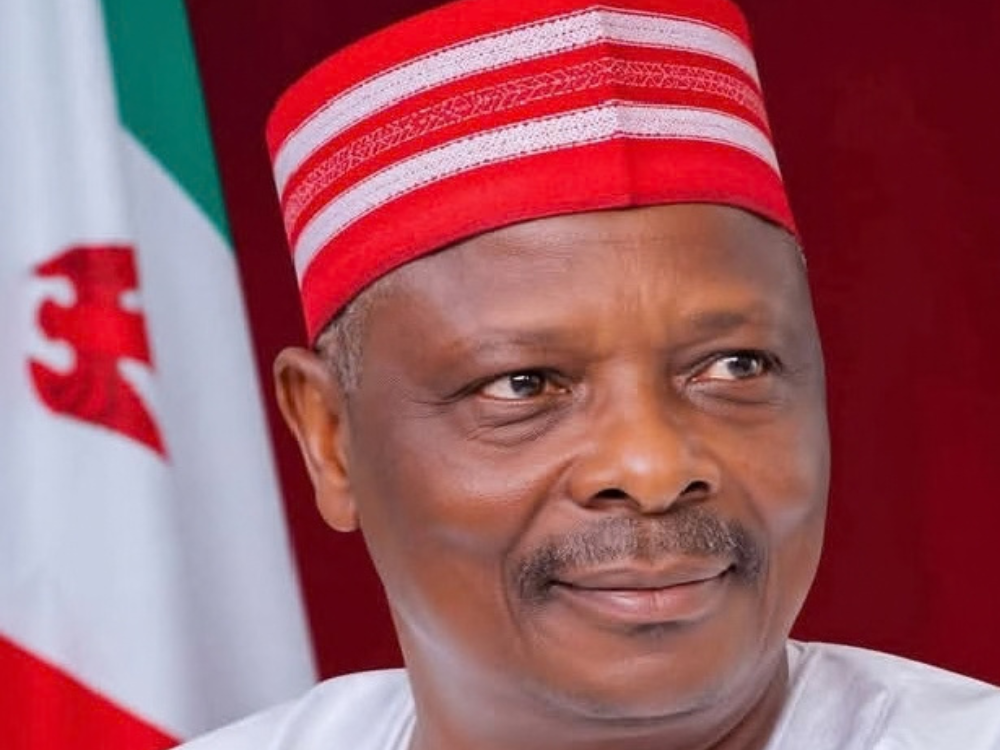
Kwankwaso faults Tinubu fuel subsidy removal as NDC Vice-Presidential candidate Rabiu Musa Kwankwaso criticised President Bola Tinubu for abrupt petrol subsidy removal.
Vice-Presidential candidate of the Nigeria Democratic Congress (NDC), Rabiu Musa Kwankwaso, has criticised President Bola Tinubu’s decision to remove the petrol subsidy, saying the policy was implemented too abruptly and contributed to severe economic hardship.Vice-Presidential candidate of the Nigeria Democratic Congress (NDC), Rabiu Musa Kwankwaso, has criticised President Bola Tinubu’s decision to remove the petrol subsidy, saying the policy was implemented too abruptly and contributed to severe economic hardship.
Kwankwaso made the remarks in an interview with ARISE News, where he discussed fuel prices, subsidy policy and the NDC’s economic approach ahead of the 2027 presidential election.
The former Kano State governor described the immediate removal of the subsidy at the beginning of Tinubu’s administration as a mistake, arguing that the wider consequences of the decision should have been considered before implementation.
According to Kwankwaso, the NDC would seek to reintroduce a form of subsidy if it comes to power, although he stressed that it would not necessarily replicate the previous system.
Asked about the party’s position on subsidy restoration, Kwankwaso said:
“We are bringing subsidy in our own way.”
He further said the NDC would pursue measures aimed at making petrol more affordable, including greater investment in domestic refining capacity.
“If individuals in this country could build refineries, I see no reason why government, under certain circumstances, will not build a refinery or refineries to the extent that we achieve the minimum requirement,” Kwankwaso said.
He added that the party would “do whatever it takes” to reduce the price of petroleum products.
Kwankwaso’s comments come as fuel pricing once again becomes a major issue in Nigeria’s political debate ahead of the 2027 elections. Other opposition figures have also proposed different forms of government intervention to reduce the burden of petrol prices on Nigerians.
THE BIGGER QUESTION: POLICY OR CAMPAIGN PROMISE?
While promises to reduce fuel prices are likely to attract significant public attention, the debate should go beyond political speeches and campaign rhetoric.
For Nigerians who have endured higher transportation, food and business costs following the removal of the subsidy, the central question is not simply who promises cheaper petrol, but how such a policy would be financed, implemented and sustained without recreating the problems associated with the old subsidy regime.
Any proposal to restore or restructure subsidy should therefore come with clear details: how much government would spend, where the money would come from, who would benefit, how corruption and diversion would be prevented, and whether the arrangement would remain financially sustainable.
Likewise, the Tinubu administration’s defence of subsidy removal should be judged not only by its stated economic objectives but also by measurable outcomes for households, businesses and the wider economy.
As the 2027 election approaches, Nigerians are likely to hear competing promises from political parties on fuel prices, subsidies and economic reforms. Those promises should not become political talking points without scrutiny.
The real test should be evidence, numbers, implementation plans and measurable results.
Rather than allowing the subsidy debate to become another cycle of political propaganda during election season, Nigerians deserve clear answers from every political camp what exactly is being proposed, how much will it cost, who will pay, who will benefit, and how will the policy work in practice?
Kwankwaso’s latest comments have therefore reopened an old but consequential question: Can Nigeria make petrol affordable without returning to an unsustainable subsidy system and can any political party provide a credible, transparent answer?
For voters, the substance behind the promises may ultimately matter more than the slogans surrounding them.