NPA EXPORT BOTTLENECKS TARGETED TO BOOST NON OIL FOREX INFLOWS
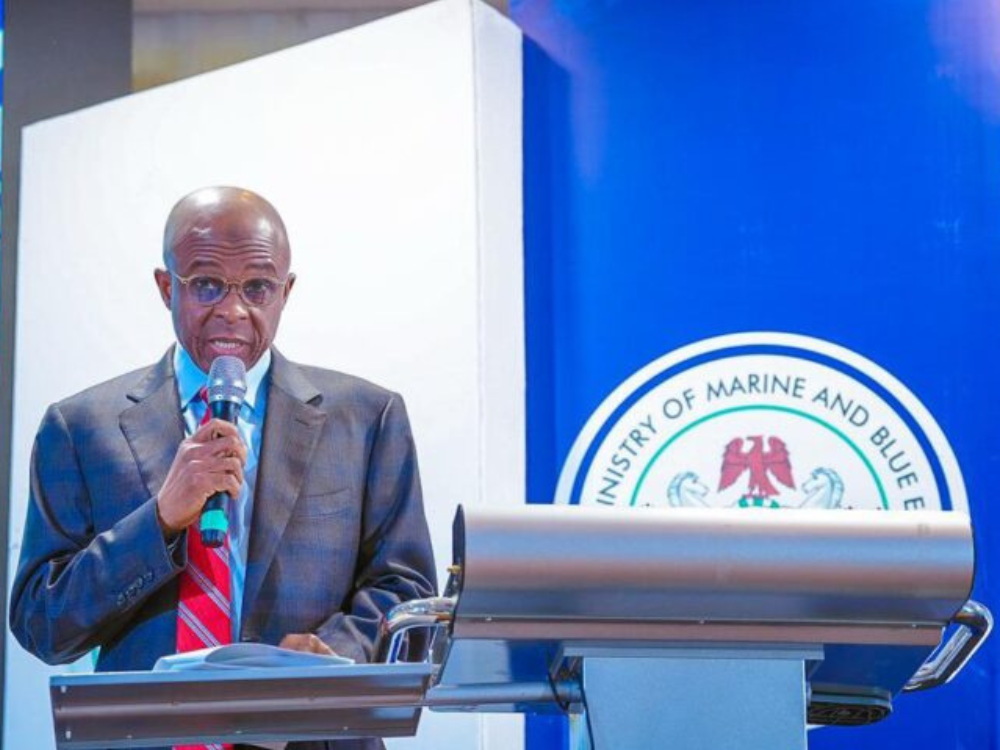
NPA export bottlenecks are the focus of renewed action by the Nigerian Ports Authority.
NPA export bottlenecks are the focus of renewed action by the Nigerian Ports Authority. The authority has stepped up measures to remove obstacles that slow non oil exports. Steps include improving cargo processing expanding export channels and addressing operational delays.
Non oil exports offer a path to diversify foreign exchange earnings beyond crude oil. Faster movement of agricultural and manufactured goods through ports can raise volumes and improve competitiveness. Dedicated terminals and better coordination with other agencies form part of the push.
Results will depend on consistent implementation and supporting infrastructure. Higher non oil export proceeds would ease pressure on the external account and support broader economic diversification goals.
NPA EXPORT BOTTLENECKS AND THE PUSH FOR NON OIL EXPORTS
NPA export bottlenecks are obstacles at ports that slow down goods leaving Nigeria. These bottlenecks include delays in cargo processing, poor coordination and operational problems that keep containers waiting for days. When exporters face these delays, their goods reach foreign buyers late and costs go up.
The Nigerian Ports Authority has stepped up measures to remove obstacles that slow non oil exports. Non oil exports are goods Nigeria sells abroad that are not crude oil. They include agricultural products like cocoa and sesame and manufactured goods made in Nigerian factories.
Steps include improving cargo processing expanding export channels and addressing operational delays. Improving cargo processing means checking and clearing export containers faster. Expanding export channels means opening more routes and terminals for exporters to use. Addressing operational delays means fixing the day to day problems that hold up trucks and ships.
Dedicated terminals and better coordination with other agencies form part of the push. Dedicated terminals are port areas set aside only for exports so export containers do not mix with import containers. Better coordination means NPA working smoothly with customs and other agencies that inspect export goods. Cutting NPA export bottlenecks needs all agencies to work at the same speed.
WHY CUTTING NPA EXPORT BOTTLENECKS MATTERS FOR FOREX
NPA export bottlenecks directly affect foreign exchange earnings. Non oil exports offer a path to diversify foreign exchange earnings beyond crude oil. Nigeria earns most of its dollars from oil, so when oil prices fall, the country feels it immediately. More non oil exports would bring in dollars from many different goods.
Faster movement of agricultural and manufactured goods through ports can raise volumes and improve competitiveness. If a farmer can get cocoa to the port and onto a ship quickly, he can sell more and compete with farmers from other countries. Manufacturers also need fast ports to deliver goods on time to foreign buyers. Reducing NPA export bottlenecks helps both groups sell more.
Higher non oil export proceeds would ease pressure on the external account and support broader economic diversification goals. The external account tracks money flowing in and out of Nigeria. More export dollars ease pressure on reserves and the naira. Diversification goals mean building an economy that does not depend only on oil.
Results will depend on consistent implementation and supporting infrastructure. Consistent implementation means the new measures must work every day, not just for a few weeks. Supporting infrastructure includes good roads to ports, power for terminals and storage facilities for export goods. Without these, cutting NPA export bottlenecks at the gate alone will not be enough.
Exporters have long complained that NPA export bottlenecks add cost and time that make Nigerian goods expensive abroad. If NPA succeeds in improving cargo processing and using dedicated terminals, export volumes should rise. That rise would bring in more forex from agriculture and manufacturing.
The push on NPA export bottlenecks is therefore about more than ports. It is about giving Nigerian farmers and factories a fair chance to earn dollars and helping Nigeria rely less on crude oil. Consistent work by NPA and partner agencies will decide if the plan delivers real results.
Ratel Pulse Media — Your Pulse on the News