US and China Agree to $30 Billion Tariff Reduction, Set New AI Talks During Xi’s Visit
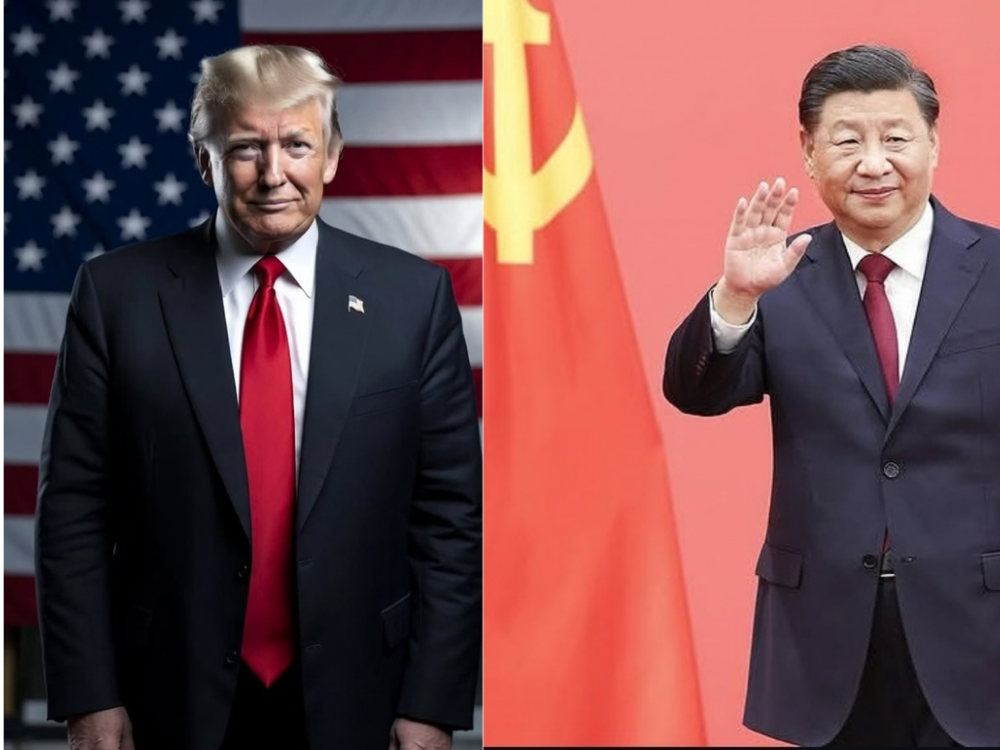
The United States and China have agreed on a reciprocal tariff-reduction arrangement covering $30 billion worth of goods, alongside plans to launch a new dialogue on artificial intelligence (AI), following Chinese President Xi Jinping’s three-day visit to Washington.
The agreements form part of an eight-point consensus reached during discussions between Xi and US President Donald Trump, according to China’s Foreign Ministry. The development marks a further effort by the world’s two largest economies to manage trade tensions and maintain communication on emerging technologies.
According to a statement from the White House, the two countries reached a consensus on recommendations for more favourable tariff treatment covering $30 billion worth of non-sensitive goods in each direction.
The proposed measures are intended to ease trade barriers on selected products moving between the two economies. US exports covered by the arrangement include agricultural products, fish and seafood, logs and wood products, cosmetics and medical devices.
The White House also identified consumer goods, including small household appliances, toys, holiday decorations and children’s car seats, among products imported from China.
The arrangement is expected to be advanced through the two countries’ Board of Trade, which provides a framework for addressing trade-related issues and improving market access.
Beyond trade, Washington and Beijing have agreed to establish a formal dialogue on artificial intelligence, with the next round of discussions scheduled for November 2026.
According to China’s Foreign Ministry, the talks will focus on the risks and benefits associated with the rapidly developing technology. Both countries also agreed to establish a communication channel for AI-related incidents, creating a mechanism for addressing potential problems through direct engagement.
The discussions come as the United States and China continue to compete in advanced technology, including AI development and the semiconductor industry. The planned communication channel could provide a platform for discussing technology-related risks, although the announcement does not establish that the two countries have resolved their wider technological disagreements.
The latest agreements follow an earlier decision by Washington and Beijing to extend their existing trade truce by two months. The extension was intended to provide additional time for negotiations toward a potentially broader trade agreement.
US Treasury Secretary Scott Bessent had said the extension would allow both sides to continue working on a more comprehensive deal.
The tariff arrangement and the establishment of a trade council represent further steps in those negotiations. However, the latest announcement does not mean that all outstanding trade disputes between the two countries have been settled.
The two governments also agreed to support each other in hosting major international gatherings, including the Asia-Pacific Economic Cooperation (APEC) leaders’ meeting and the Group of 20 (G20) summit.
Both leaders indicated their intention to attend the respective meetings hosted by the other country.
On international security, China’s Foreign Ministry said the leaders discussed Iran’s commitment not to develop nuclear weapons and opposed the imposition of transit tolls on international waterways.
The announcement comes as businesses and governments continue to monitor economic relations between Washington and Beijing. As the world’s two largest economies, their trade policies can affect international supply chains, manufacturing costs, commodity markets and consumer prices.
A reduction in tariffs on selected goods could lower some trade costs and improve market access for businesses operating between the two countries. However, the actual economic impact will depend on the final terms, implementation of the measures and the extent to which businesses benefit from the changes.
The AI dialogue also introduces a separate area of cooperation at a time when both governments face questions about technological competition, security and the management of emerging AI-related risks.
While the agreements provide a framework for further engagement, their long-term significance will depend on whether both governments translate the announced commitments into practical measures.
Xi Jinping’s visit to Washington has produced agreements on reciprocal tariff reductions, artificial intelligence dialogue and continued trade discussions. The developments signal an effort by the United States and China to maintain economic and diplomatic engagement despite continuing differences.
For now, the $30 billion tariff arrangement and the planned November AI discussions represent steps toward cooperation, rather than evidence that the broader strategic and economic rivalry between the two countries has ended.