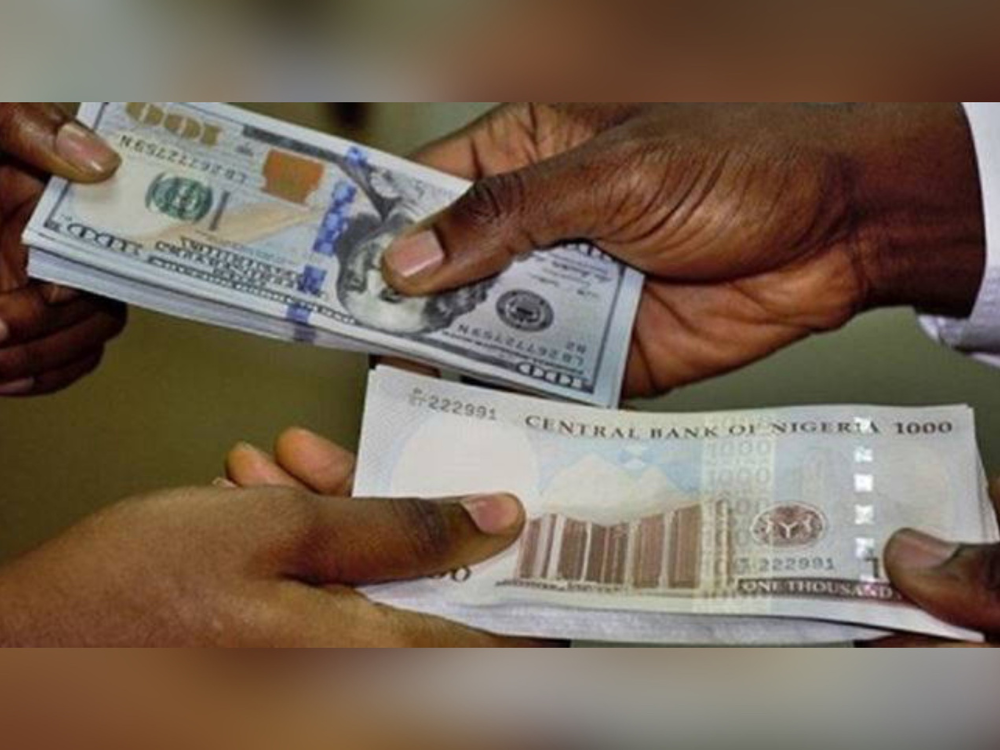
FG SAVES N3.56TN DESPITE INCREASING BORROWING TO N29.2TN

The Federal Government and other tiers of government saved N3.56 trillion from Federation Account revenue between January and September 2026, despite the Federal Government’s decision to increase its borrowing target to N29.2 trillion to finance the 2026 budget deficit.
The savings represent a 95 per cent increase compared with the N1.83 trillion recorded during the same period in 2025.
The development has raised questions about the government’s fiscal priorities, particularly as Nigeria continues to face rising public debt and increasing debt-servicing costs.
According to a report by Agora Policy titled Ten Insights from FAAC Disbursements for January-September 2026, analysed by The PUNCH, savings and interventions accounted for N8.34 trillion in deductions from Federation Account revenue during the first nine months of the year.
The report showed that N4.78 trillion was deducted for interventions, making it the largest category, while N3.56 trillion went into savings.
Together, the two categories accounted for 75.1 per cent of total deductions during the period. This was a considerable increase from the 39.9 per cent recorded in the corresponding period of 2025.
The report explained that interventions and savings were the largest deductions from Federation Account revenue, followed by refunds, collection costs and transfers.
“Interventions accounted for the largest deduction, at N4.78tn, followed by savings at N3.56tn. In nine months, refunds amounted to N1.21tn and collection costs to N1.09tn. Transfers, at N469.06bn, were the smallest category,” the report stated.
FG Increases 2026 Borrowing Target To N29.2trn
The increase in savings comes at a time when the Federal Government is planning to borrow more money to finance its 2026 budget.
The government raised its borrowing target by N11.31 trillion, from the initial projection of N17.89 trillion to N29.2 trillion.
The country’s budget deficit also stands at N31.46 trillion, reflecting the gap between the government’s projected expenditure and expected revenue.
Under the 2026 budget, the Federal Government plans to spend N68.32 trillion, while expected revenue is put at N36.87 trillion.
This leaves a substantial funding gap that the government intends to cover largely through borrowing.
The development has drawn attention to the relationship between the money being saved from Federation Account revenue and the government’s continued dependence on loans to meet its expenditure commitments.
However, the N3.56 trillion savings should not be regarded as money set aside exclusively by the Federal Government.
The deductions cover the Federation Account, which provides revenue for distribution among the Federal Government, state governments and local governments under the existing allocation arrangements.
Total Deductions From Federation Account Decline
Despite the increase in savings and interventions, total deductions from Federation Account revenue recorded a slight decline during the nine-month period.
The Agora Policy report showed that total deductions fell by 3.5 per cent, from N11.50 trillion in the first nine months of 2025 to N11.10 trillion in the corresponding period of 2026.
Their share of gross Federation Account revenue also declined from 41.1 per cent to 35.3 per cent.
This allowed the amount available for distribution before augmentation to increase by 23.8 per cent to N20.36 trillion.
Meanwhile, gross Federation Account revenue increased by 12.6 per cent, rising from N27.95 trillion in the first nine months of 2025 to N31.46 trillion during the same period in 2026.
According to the report, the increase in distributable revenue was higher than the growth in gross revenue because total deductions declined by approximately N400 billion.
The report, however, noted that the slight reduction in total deductions concealed major changes in how the money was distributed across different categories.
” The modest fall in total deductions conceals a substantial change in their composition. Refunds fell by approximately N3.99tn, moving from the largest deduction category to the third-largest.
“Meanwhile, interventions and savings increased by approximately N3.75tn, from N4.59tn to N8.34tn. Together, interventions and savings accounted for 75.1 per cent of deductions in nine months in 2026, compared with 39.9 per cent in the corresponding period in 2025,” the report stated.
Refunds Fall By 77 Per Cent
A further breakdown of the deductions showed that refunds recorded the biggest decline during the period.
Refunds dropped by 77 per cent, from N5.20 trillion in the first nine months of 2025 to N1.21 trillion in 2026.
On the other hand, collection costs increased by four per cent to N1.09 trillion.
Transfers also declined by 29 per cent to N469.06 billion during the period.
The figures indicate that although the overall deductions from Federation Account revenue reduced slightly, the amount allocated to savings and interventions increased considerably.
This shift has raised questions about the government’s decision to set aside more money from shared revenue while also increasing its borrowing plans to finance expenditure.
FG Defends Borrowing Strategy
The Federal Government has defended its borrowing strategy, arguing that its expenditure requirements have grown faster than the additional revenue available without borrowing.
The government maintains that borrowing is necessary to finance infrastructure and other development priorities.
It has also identified rising personnel costs, debt-servicing obligations, electricity support and infrastructure commitments as major factors putting pressure on public finances.
In a statement explaining its infrastructure investment strategy, the Presidency said the government was directing borrowed funds towards productive assets rather than short-term consumption.
The government also acknowledged the pressure created by debt servicing, which stood at approximately 65 per cent of revenue in the first half of 2026.
The position suggests that the government considers borrowing necessary to meet its financial obligations and fund projects that could support long-term economic growth.
However, the increase in savings and interventions, alongside the higher borrowing target, has brought renewed attention to how public revenue is managed and distributed.
The figures also raise questions about the need for greater transparency in the government’s revenue management and borrowing decisions.
With the Federal Government targeting N29.2 trillion in borrowing for 2026, the balance between saving public revenue, meeting existing obligations and financing development projects remains an important issue for Nigeria’s economy.
Source: The PUNCH