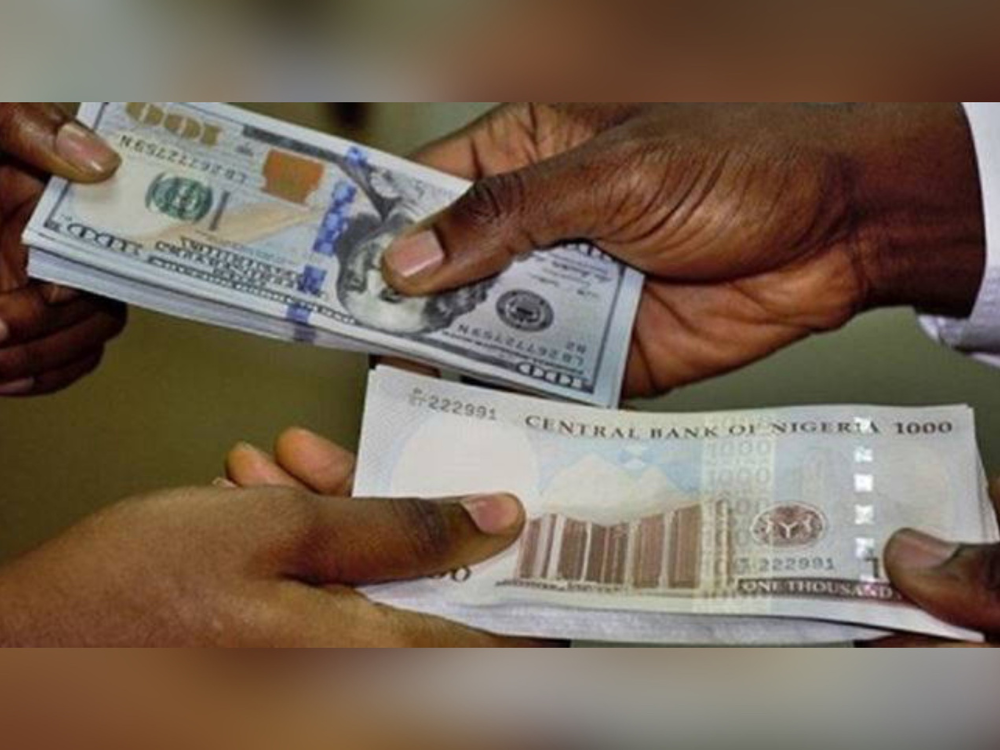
NIGERIA SPENDS N3.16TRN MORE ON DEBT SERVICING THAN FIVE KEY SECTORS

Nigeria’s debt servicing has exceeded the combined budgets of five major sectors by N3.16 trillion, raising concerns about the growing pressure of debt repayments on the Federal Government’s finances and its ability to fund critical development projects.
The Federal Government allocated N15.8 trillion to debt servicing in its 2026 budget, compared with N12.64 trillion set aside for agriculture, health, works, defence and education.
The figures were contained in an October 2026 assessment by CFG Advisory, which examined the impact of Nigeria’s debt obligations on government spending and development priorities.
According to the assessment, debt servicing accounts for 23.1 per cent of the Federal Government’s N68.32 trillion budget for 2026. This makes it the single largest spending item in the budget.
The N15.8 trillion allocation is approximately N3.16 trillion higher than the combined provisions for the five sectors, which are considered important to the country’s economic growth and development.
The development has raised questions about the amount of money available for public infrastructure, healthcare, education, food production and national security as the government continues to meet its existing financial obligations.
Debt Servicing Exceeds Budgets For Five Key Sectors
A breakdown of the 2026 budget shows that agriculture and food security received N1.45 trillion, while healthcare was allocated N2.15 trillion.
The Federal Government also earmarked N3.49 trillion for works, N3.15 trillion for defence and N2.40 trillion for education.
Together, the five sectors received N12.64 trillion, which is still below the N15.8 trillion allocated to debt servicing.
The assessment further revealed that debt servicing is higher than the N12.95 trillion provided for capital expenditure across the Federal Government.
This means the government has allocated more money to meeting existing debt obligations than to its entire capital investment programme.
However, the comparison does not mean that money meant for agriculture, health, education, works and defence has been transferred to creditors.
Rather, it shows the pressure that existing debt obligations place on government finances and the limited resources available for other development needs.
Debt servicing covers interest payments and the repayment of borrowed funds, while capital expenditure is used to finance infrastructure and other long-term government projects.
Rising Debt Payments Put Pressure On Government Spending
The growing cost of debt servicing has raised concerns about Nigeria’s available fiscal space.
Fiscal space refers to the government’s ability to raise and spend additional money without putting its financial stability at risk or struggling to meet existing obligations.
When a large portion of government revenue goes into debt repayments, less money is available for other important responsibilities.
For instance, increased investment in roads and other infrastructure could reduce transportation costs and make it easier for farmers and businesses to move their products to different markets.
Similarly, higher spending on healthcare and education could improve access to essential services, strengthen the workforce and support economic productivity.
Investment in agriculture could also improve food production, storage and distribution, helping to address food supply challenges.
However, when debt repayments take up a substantial part of government resources, expanding these sectors becomes more difficult without increasing revenue, reducing other expenses or taking additional loans.
CFG Advisory’s assessment also showed that other major government spending commitments include N11.5 trillion for recurrent non-debt expenditure and N4.8 trillion for statutory transfers.
These allocations further reduce the amount of money available for additional development projects.
Borrowing Could Increase Nigeria’s Debt Burden
The assessment also raised concerns about how the Federal Government uses borrowed funds and the long-term consequences for the economy.
According to the report, borrowing can support economic growth when the money is invested in productive projects such as roads, railways, power plants and other infrastructure.
Such projects can improve transportation, reduce the cost of doing business, create economic opportunities and increase government revenue over time.
However, borrowing to finance routine government expenses presents a different challenge because it does not automatically create new assets or additional sources of income.
When governments repeatedly borrow to meet salaries, administrative expenses and other existing financial commitments, they risk increasing their debt without expanding their ability to repay it.
This could create a cycle in which new borrowing leads to higher interest payments and repayment obligations, leaving less money available for future budgets.
Nigeria also faces additional pressure because its debt consists of both domestic and external obligations.
Domestic borrowing exposes the government to interest costs in the local financial market, while external borrowing creates repayment obligations in foreign currencies.
When the naira loses value against foreign currencies, the cost of repaying dollar-denominated loans increases when converted into naira.
The report also warned that heavy government borrowing could affect businesses seeking loans to expand their operations.
Financial institutions may prefer investing in government securities when they offer attractive returns instead of lending to private businesses that carry higher risks.
This could make it more expensive for companies to access funds for production, equipment and expansion.
CFG Advisory projected that Nigeria’s external debt could approach $60 billion, while domestic debt could exceed N100 trillion by the end of 2026.
However, these figures are projections and not confirmed year-end debt statistics.
FG’s Proposed $21bn External Borrowing Raises Questions
The concerns come as the Federal Government pursues additional external financing exceeding $21 billion.
Although the proposed borrowing could provide funds for infrastructure and other development projects, CFG Advisory stressed the need for accountability and proper management of public debt.
The advisory firm called for an urgent compliance audit of the Fiscal Responsibility Act 2007.
It also recommended the publication of outstanding budget performance reports to provide Nigerians with a clearer picture of government revenue, expenditure and borrowing.
According to the assessment, the government must demonstrate how much it earns, how much it spends, what it owes and what it has achieved with borrowed funds.
The publication of budget performance reports is particularly important because approved budget allocations do not always translate into actual spending or completed projects.
For example, the government may approve funds for a road, hospital or school without releasing the full amount or completing the project.
Without regular reports, Nigerians may find it difficult to determine whether borrowed funds are being used for projects that provide lasting economic benefits.
CFG Advisory therefore called for regular disclosure of debt payments, outstanding liabilities, new loans and the implementation of capital projects.
Nigeria Faces Challenge Of Balancing Debt Repayment With Development
The growing cost of debt servicing presents a major challenge for Nigeria as the government tries to meet its financial obligations while addressing the country’s development needs.
Although honouring debt obligations is important for maintaining the country’s credibility with local and international creditors, the government must also ensure that borrowing contributes to economic growth.
The central concern is whether the country is generating enough revenue and investing borrowed funds in projects that can improve productivity and strengthen its ability to repay loans.
If debt repayments continue to take up a larger share of government resources without a corresponding increase in economic output and revenue, the pressure could affect public infrastructure, essential services and job creation.
Nigeria’s debt challenge therefore goes beyond the amount of money owed. It also involves how borrowed funds are spent, the benefits they provide and the country’s ability to meet repayment obligations without neglecting other important sectors.
Source: BusinessDay