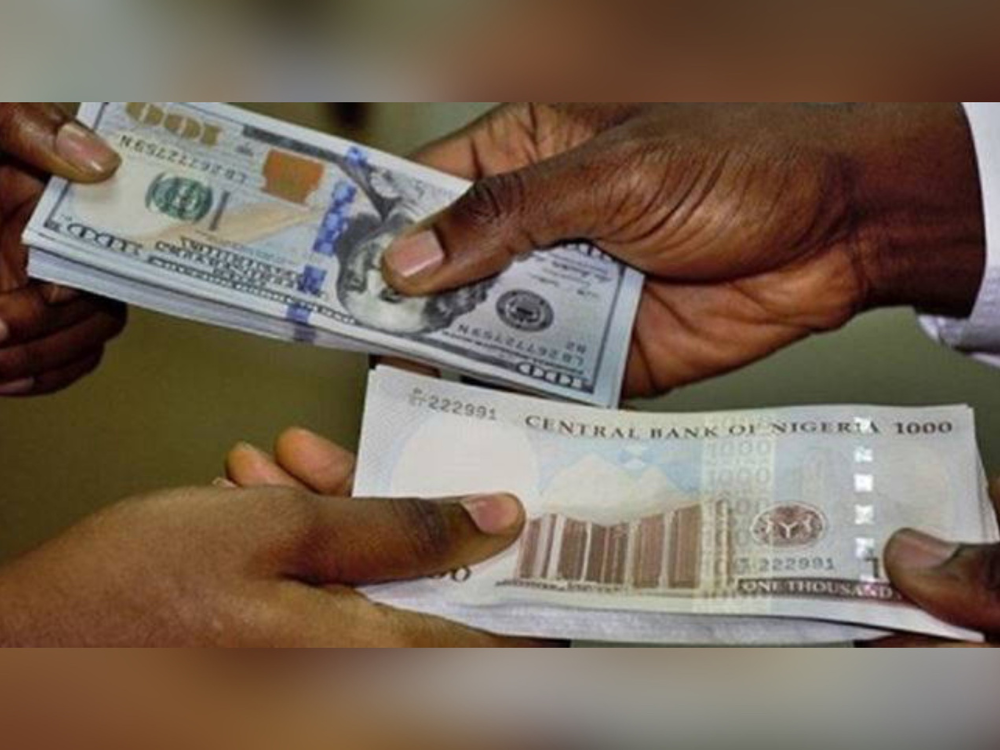
WEAK FINANCIAL RECORDS, IP RISKS CHASE INVESTORS FROM NIGERIA’S N100BN CREATIVE SECTOR

Weak financial records, IP risks chase investors from Nigeria’s N100bn creative sector as filmmakers walk into investment meetings with scripts and production budgets but financiers demand audited accounts, IP protection and clear revenue models.
A filmmaker walks into an investment meeting with a script, a production budget and a story he believes has commercial potential. The financier, however, wants audited financial records, intellectual property documentation, chain of title, and distribution guarantees before committing funds.
This mismatch is why investors are avoiding Nigeria’s N100bn creative sector despite Nollywood being second largest film industry by volume globally and Afrobeats driving global streaming growth.
Anthony Udugba, seasoned entertainment business journalist at BusinessDay Media with over four years covering creative industry, reports that weak structure is choking investment.
Why Investors Are Scared Of Nollywood And Music Deals
Weak financial records, IP risks chase investors from Nigeria’s N100bn creative sector because most creatives operate informally.
In Nollywood, many producers cannot show past profit and loss statements, tax filings, or revenue splits from previous films on Netflix, Amazon, or cinema. They pitch passion, not numbers.
For financiers used to banking standards, this is red flag. Banks’ N55.7trn loan book awaits recapitalisation lift shows banks grew loans only 2.4% to N55.66trn despite raising N4.65trn capital, because they cannot generate quality risk assets in high-interest environment at 32.62% max lending rate. Creative sector is seen as even riskier than SMEs.
Second, IP risks: intellectual property. In Nigeria, chain of title is often weak. A script may have multiple claimants, music may have uncleared samples, film may use trademarks without clearance. Without IP registration with Nigerian Copyright Commission, investors fear lawsuits after release.
Piracy also kills returns. A film that cost N100m to produce can be pirated on Telegram within 48 hours of cinema release, slashing revenue.
Third, weak distribution accounting: streaming platforms and cinemas remit revenues months later, with opaque deductions. No standard royalty auditing. Investors cannot verify if reported views translate to cash.
Nigeria pays five times more for private external loans at 9.6% vs 1.9% official as external debt hits $145.02bn, according to World Bank. With high cost of capital, investors demand higher returns and stronger governance. Creative sector cannot meet that bar yet.
Dangote eyes 500,000-tonne cocoa deal in Ghana to build processing hub shows investors prefer hard assets with clear value chain like cocoa, cement, refinery, over soft assets like scripts.
NCC introduces investment-based spectrum framework to push telcos to underserved areas. Creative sector needs similar investment framework.
N100bn Sector With Billion Dollar Potential But No Structure
Weak financial records, IP risks chase investors from Nigeria’s N100bn creative sector despite huge market.
Nigeria’s creative sector including film, music, fashion, gaming, is estimated at N100bn formal size, but informal size may be over N1trn. Nollywood produces over 2,000 films yearly, employs over 1m people directly and indirectly. Afrobeats generates billions of streams, with artists like Burna Boy, Wizkid, Davido selling out global arenas.
Yet sector attracts less than 5% of bank credit to SMEs. Most financing is from self-funding, family, or grants from foreign foundations like Ford Foundation, British Council.
Surging staple prices signal sharp rise in food inflation means consumers have less disposable income to spend on cinema tickets, Netflix subscriptions, concerts, further hurting revenue.
Tinubu’s convoy stoned in Abuja near Shehu Shagari Mosque with residents chanting Ba mayi shows public frustration over cost-of-living, which affects entertainment spending.
US Officials reveals plan for Nigeria’s 2027 elections and will monitor polls like a hawk, adding political risk that investors price in.
For sector to attract investment, experts propose three reforms.
First, financial formalization: creatives must register as companies, keep audited accounts, use entertainment lawyers to structure revenue-sharing, and list on creative sector financing portal like Nigeria’s Creative Industry Financing Initiative, CIFI, by CBN and Bankers Committee.
Second, IP reform: strengthen copyright enforcement, create central IP registry linked to NCC, and enforce anti-piracy with technology watermarking.
Third, data and transparency: box office reporting must be standardized, streaming data must be auditable, and collection societies like COSON and MCSN must publish royalty distribution transparently.
Without these, N100bn sector will remain underfunded, despite talent.
Banks raised N4.65trn via recapitalisation to support $1trn economy ambition. Part of that should go to creative economy if risks are mitigated with insurance, guarantees from Bank of Industry, and co-production treaties.
Weak financial records and IP risks are not unique to Nigeria, but in Ghana and South Africa, better IP enforcement attracts more private equity to film and music.
Nigeria must fix structure to unlock investment and jobs for youth.
SOURCE: BusinessDay NG