CONGO EBOLA OUTBREAK SPREADS TO TWO MORE HEALTH ZONES AS WHO COUNTS 63 ZONES ACROSS SEVEN PROVINCES
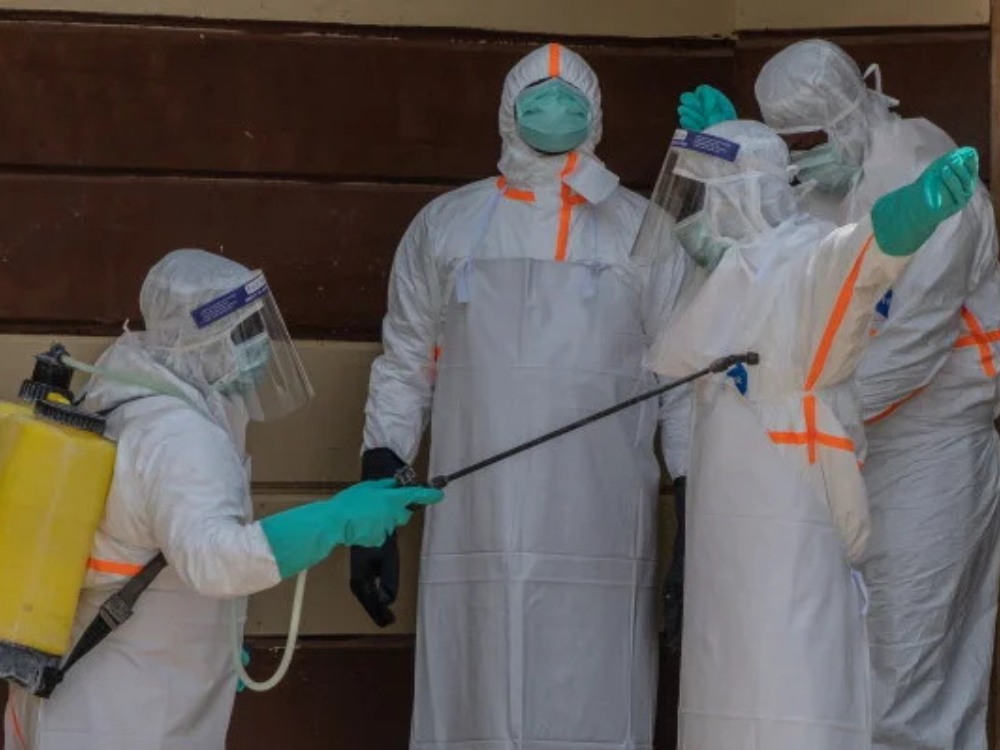
Congo Ebola outbreak has spread to two more health zones according to World Health Organization updates on 25 September 2026.
The outbreak is caused by the Bundibugyo strain of Ebola virus in the Democratic Republic of the Congo. WHO said on Friday that it has reached two additional health zones, bringing total affected to 63 across seven provinces. The newly affected zones are Bulu in Sud Ubangi province and Dungu in Haut Uele province which borders South Sudan.
As of 23 September Congo had reported 7890 confirmed cases and 3799 deaths according to WHO. The figure shows a high fatality rate and a wide geographic spread that makes response harder than in previous Ebola outbreaks concentrated in one or two provinces.
WHO Director General Tedros Adhanom Ghebreyesus said conflict and population displacement were making it more difficult for health workers to reach affected communities and trace people who may have been exposed to the virus. He said, “It’s very difficult to see Ebola in isolation because even our response in Ebola is affected by the conflict because there is displacement and there is access problem to some areas.”
He said restricted access could leave contacts untraced while displacement and crowding increased transmission risks. He said cases were declining overall and that contact tracing, safe burials and community engagement had improved although transmission remained uneven across affected areas.
Congo Ebola outbreak is complicated by the strain involved. The lack of approved vaccines and treatments for the Bundibugyo strain is making response more difficult and could make people reluctant to seek care at treatment centres. Tedros said WHO was working to accelerate clinical trials of vaccines and treatments for Bundibugyo. Unlike Zaire Ebola which has licensed vaccines, Bundibugyo has no licensed shot yet. That changes community behaviour. When people know treatment centres cannot offer a vaccine or proven cure they are slower to report.
Africa CDC data released around same date showed gap in tracing. At least 30,000 contacts have been listed and are being followed but only about seven percent of the expected contacts are traced because security challenges affect movement. The agency said 420,000 contacts would have been expected based on reported cases. About 80 percent of new confirmed cases are not on the contact list, which means transmission is happening outside known chains. That is the most worrying number in the response.
The outbreak sits inside a wider humanitarian crisis. Conflict in eastern DRC continues to push people across borders. Aid groups separately warn that people fleeing DRC violence into Burundi face dire conditions especially children and pregnant women. Displacement into crowded camps in South Kivu, North Kivu and Ituri creates conditions where Ebola and other diseases spread. WHO said the new zones Bulu and Dungu show how far movement can carry the virus, with Dungu close to South Sudan border.
North Kivu hospitals have been under pressure for months from conflict injuries and cholera and now Ebola isolation demands. Health workers report limited beds, limited personal protective equipment and fear among patients. WHO has not said hospitals are full but has said access problems leave contacts untraced and crowding increases risk.
Tedros also addressed pandemic fears
He said, “Ebola will not be a pandemic, but there could be a respiratory pathogen that can become a pandemic. Before that hits, we need to prepare.”
He pointed to the Pandemic Agreement adopted by the World Health Assembly in May 2025 to strengthen global prevention and response.
What happens next depends on three things. First safe burials and community trust. Second tracing. WHO said contact tracing improved in some areas but Africa CDC data shows it is still far below target. Third clinical trials for Bundibugyo. WHO is trying to speed up trial sites in DRC and Uganda where the strain was seen before.
For African health watchers the lesson is that Ebola outbreaks are no longer a single province emergency. Sixty three health zones across seven provinces is a national spread. It requires national funding and cross border alert for neighbours like South Sudan, Central African Republic and Republic of Congo.
Congo Ebola outbreak is the African health emergency now not because it will become a global pandemic but because it shows how conflict makes outbreak control slower. More health zones mean more labs, more teams, more fuel, more security. The numbers as of 23 September are 7890 cases, 3799 deaths, 63 zones, 7 provinces, two new zones Bulu and Dungu. The response is ongoing and WHO says cases are declining overall even as geographic spread continues.
Ratel Pulse Media — Your Pulse on the News