NAIRA GAP WIDENS TO N69 AS PARALLEL MARKET RATE FALLS TO N1,410
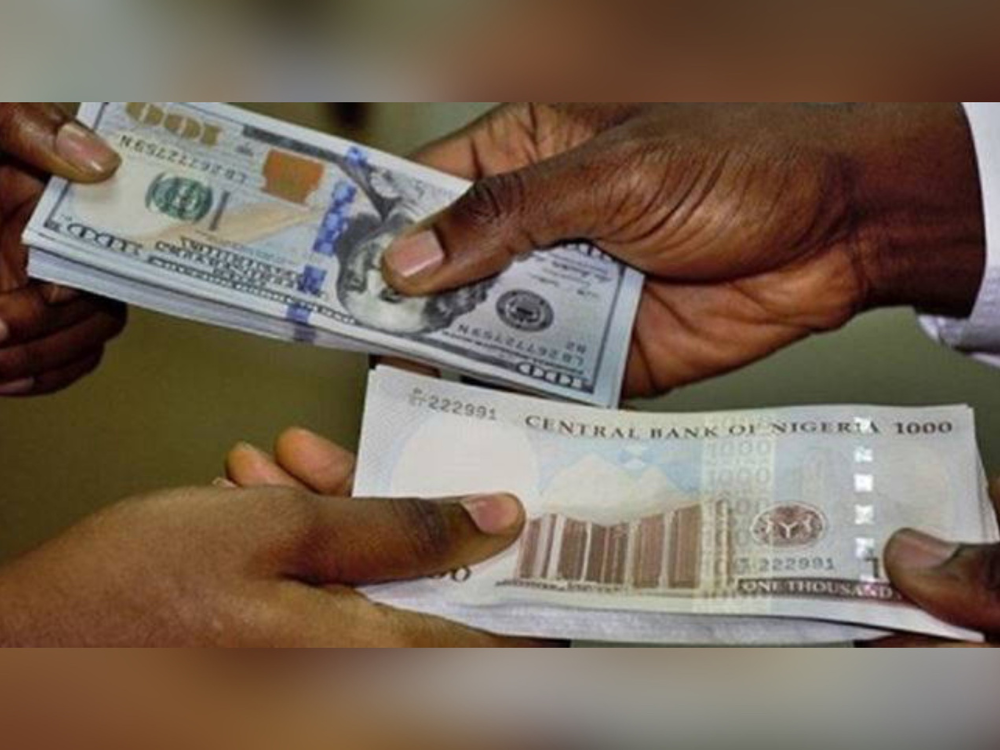
Naira gap widens to N69 as parallel market rate falls to N1,410 per dollar as renewed demand pressure pushes the naira lower in the parallel market, reversing recent stability gains.
The gap between the official and parallel market exchange rates has widened to N69 per dollar, or 5.13 percent, from less than two percent previously, showing fresh stress in the foreign exchange market.
Data collated from parallel market operators showed that the naira depreciated to between N1,410 and N1,430 per dollar on Monday, November 9, 2026.
At the official foreign exchange, FX, market, the naira depreciated marginally by 53 kobo week on week to close at N1,346.79 per dollar on Friday, compared with N1,346.26 traded the previous Friday at the Nigerian Foreign Exchange Market, NFEM, according to data published by the Central Bank of Nigeria, CBN.
Consequently, the gap between the official and parallel market rates widened to N69 per dollar, or 5.13 percent, on Monday from N61, or 4.53 percent, last week.
This widening gap is significant because it shows divergence between the two markets at a time when the CBN had been celebrating convergence.
Cardoso Says Gap Had Narrowed To Less Than Two Percent
Naira gap widens to N69 as parallel market rate falls to N1,410 despite claims by the CBN governor that the gap had narrowed significantly.
Speaking during an investor engagement in Bangkok, Olayemi Cardoso, governor of the CBN, said the gap between the official and parallel exchange rates had narrowed significantly to less than two percent from about 60 percent before the reforms.
He attributed the improvement to the foreign exchange reforms introduced by the apex bank, noting that the buffers built during the reform process had helped Nigeria withstand external shocks.
The reforms included unifying the multiple exchange rate windows, clearing the FX backlog, improving transparency at the NFEM, and allowing market forces to determine the naira rate.
Cardoso said the reforms had restored confidence and predictability for businesses, travellers and investors.
He said, “When you travel now, you don’t have to look for foreign exchange; you can use your Naira card and pay for whatever you want.”
He argued that improved currency stability had restored confidence for businesses, travellers and investors who need dollars for transactions.
However, data from the parallel market on Monday shows that the gap is widening again, raising questions about sustainability of the convergence.
Analysts say the parallel market often reflects real demand pressure from individuals and small businesses who cannot access dollars easily from the official market. When demand rises at the end of the year for imports, travel and school fees abroad, the black market rate usually comes under pressure.
FX Turnover Declines Sharply
Naira gap widens to N69 as parallel market rate falls to N1,410 at a time when activity in the official FX market moderated last week.
Total turnover at the NFEM window declined by 53.17 percent week on week to 1.92 billion dollars from 4.10 billion dollars recorded the previous week.
The number of transactions also fell by 21.46 percent to 1,325 deals from 1,687 deals in the preceding week.
At the interbank segment of the FX market, total turnover declined by 63.26 percent week on week to 556.79 million dollars from 1.52 billion dollars. The number of deals also dropped by 32.09 percent to 472 from 695.
The drop in turnover suggests lower supply of dollars in the official market last week, which may have pushed some demand to the parallel market, contributing to depreciation.
Market watchers say CBN interventions, foreign portfolio inflows and export proceeds are major sources of dollar supply at NFEM. When those inflows slow, turnover drops and the naira faces pressure.
Traders said last week saw cautious trading as market participants awaited signals on global interest rates and oil prices, which affect Nigeria’s dollar earnings.
External Reserves Drop To 55.13 Billion Dollars
Naira gap widens to N69 as parallel market rate falls to N1,410 even as Nigeria’s external reserves provide a buffer for the CBN.
Nigeria’s external reserves, which provide the CBN with the capacity to support the naira and meet the country’s external obligations, declined by 130 million dollars in one week to 55.13 billion dollars as of November 5, 2026, from 55.26 billion dollars recorded on October 27, 2026.
Despite the recent decline, the country’s external buffers have maintained a strong year on year growth trajectory, rising by 27.32 percent from 43.30 billion dollars in the corresponding period of 2025, according to CBN data.
The strong year on year growth reflects improved oil revenues, increased foreign investments and reforms that attracted capital inflows.
Reserves had been under pressure in previous years due to heavy FX interventions, fuel import bills and debt service payments. The current level above 55 billion dollars gives the CBN more firepower to defend the naira if needed.
However, analysts caution that using reserves to defend the naira aggressively may not be sustainable. They urge the CBN to focus on boosting dollar supply through exports, remittances and investments rather than depleting reserves.
Hope Moses-Ashike, who covers banking and finance, noted that market movements, monetary policy decisions and regulatory actions are key to understanding what exchange rate trends mean for businesses, investors, policymakers and households.
What Widening Gap Means For Nigerians
Naira gap widens to N69 as parallel market rate falls to N1,410 and the implications are felt across the economy.
A widening gap between official and parallel markets often creates arbitrage opportunities where some people buy dollars cheap at official rate and sell high at parallel market. It also creates confusion for businesses that need to plan.
For importers, a higher parallel market rate means higher cost of imports if they cannot get dollars from banks. This cost is eventually passed to consumers through higher prices of goods.
For travellers and students paying fees abroad, the parallel market is often the fallback when banks cannot meet demand quickly. A rate of N1,410 per dollar means they need more naira to buy the same amount of dollars.
For the CBN, a gap above 5 percent may raise concerns. The International Monetary Fund and World Bank often advise that a gap above 5 percent indicates market distortion and may discourage investors.
The CBN governor had celebrated narrowing the gap from about 60 percent at the start of reforms to less than two percent. The current widening to 5.13 percent suggests that maintaining that convergence will require consistent dollar supply and tight monetary policy.
Market participants will be watching this week to see if the CBN increases dollar sales to Bureau De Change operators and banks to stabilise the parallel market, and whether external reserves will be used to support the market.
If demand pressure continues towards December due to festive imports and travel, the gap could widen further unless supply improves.
For now, the naira trades at N1,346.79 at the official market and N1,410 to N1,430 in the parallel market, with a gap of N69 that shows the market is not yet fully unified.
SOURCE: BusinessDay NG